All-in-One or Modular LED Wall: When to Choose Each Type
Reading time: 7 minutes
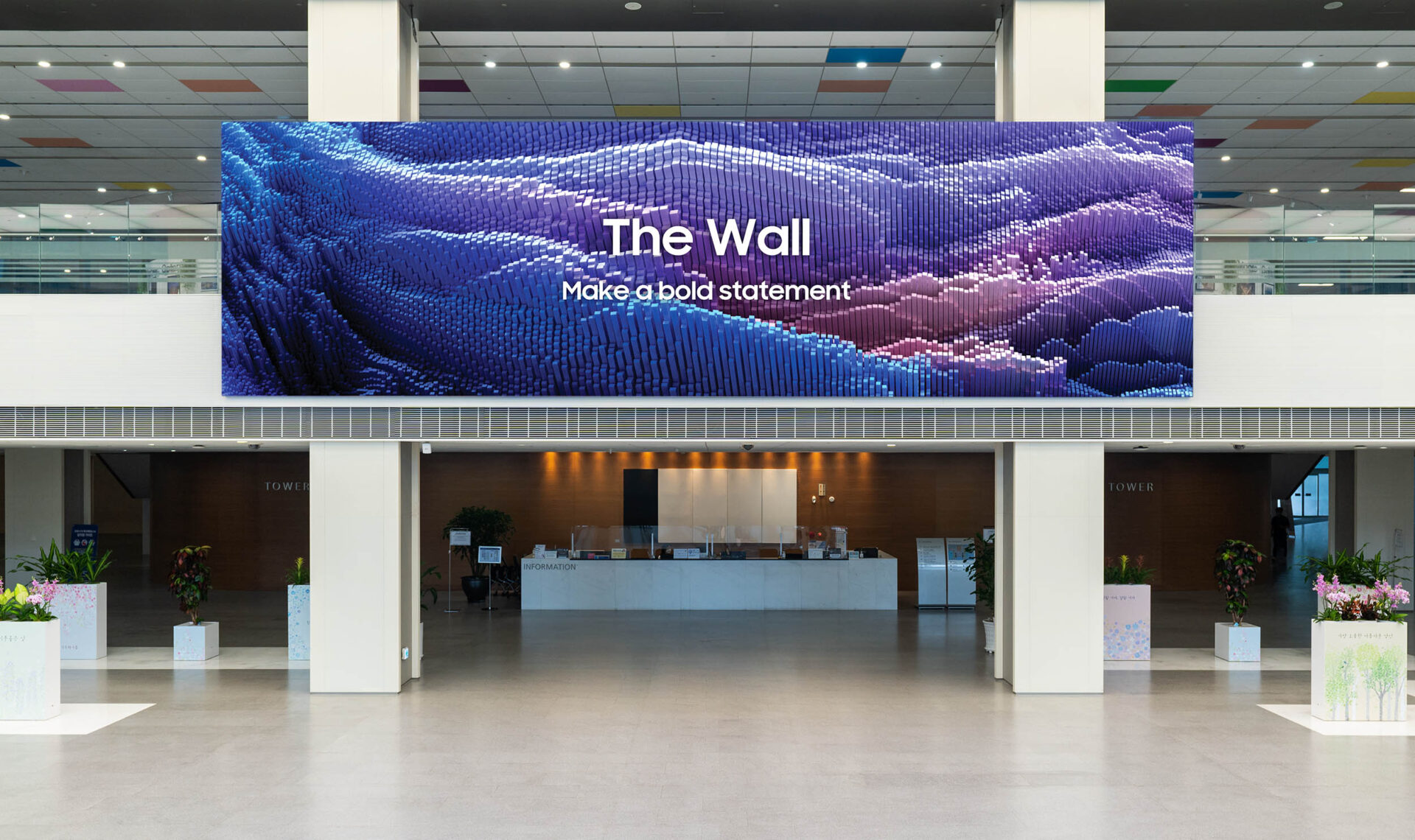
Two LED solutions may look identical in a visualisation. The difference lies in how many decisions have already been made by the manufacturer and how many remain part of the project.
A preconfigured all-in-one solution is suitable when its fixed format, resolution, mounting method and options for modification suit both the space and the content. A modular LED wall provides greater flexibility in dimensions, aspect ratio and integration into the building, but it requires a more detailed system design. The decision can only be made after comparing future modification options, the smallest replaceable unit and service access in the specific proposals.
Quick overview
- An all-in-one LED solution settles more decisions in advance
- A modular LED wall adapts the image area to the space
- Format and resolution must follow the content
- Building integration changes the scope of the project
- The category name tells you nothing about installation time
- Get future modification options in writing
- The replaceable unit determines the impact of a failure
- Decision matrix for all-in-one and modular LED
- Frequently asked questions
An all-in-one LED solution settles more decisions in advance
All-in-one LED is a preconfigured solution in which the manufacturer has already combined the image surface with defined control, power and mounting components. Exactly what is included varies between solutions. The category name alone therefore does not tell you which components are included in the proposal.
A fixed format reduces the number of open decisions because the buyer does not select every element separately. You still need to verify that the finished configuration accepts your video sources, fits the available space and supports the intended purpose. When its limitations fit the project without modification, the solution is usually more predictable.
An all-in-one solution may still consist of several components that technicians assemble on site. The term “all-in-one” therefore describes a complete preconfigured solution and does not necessarily mean one physical unit. The proposal should identify the components included, the method of connection to video sources, power and the mounting system, as well as any work that is excluded.
A modular LED wall adapts the image area to the space
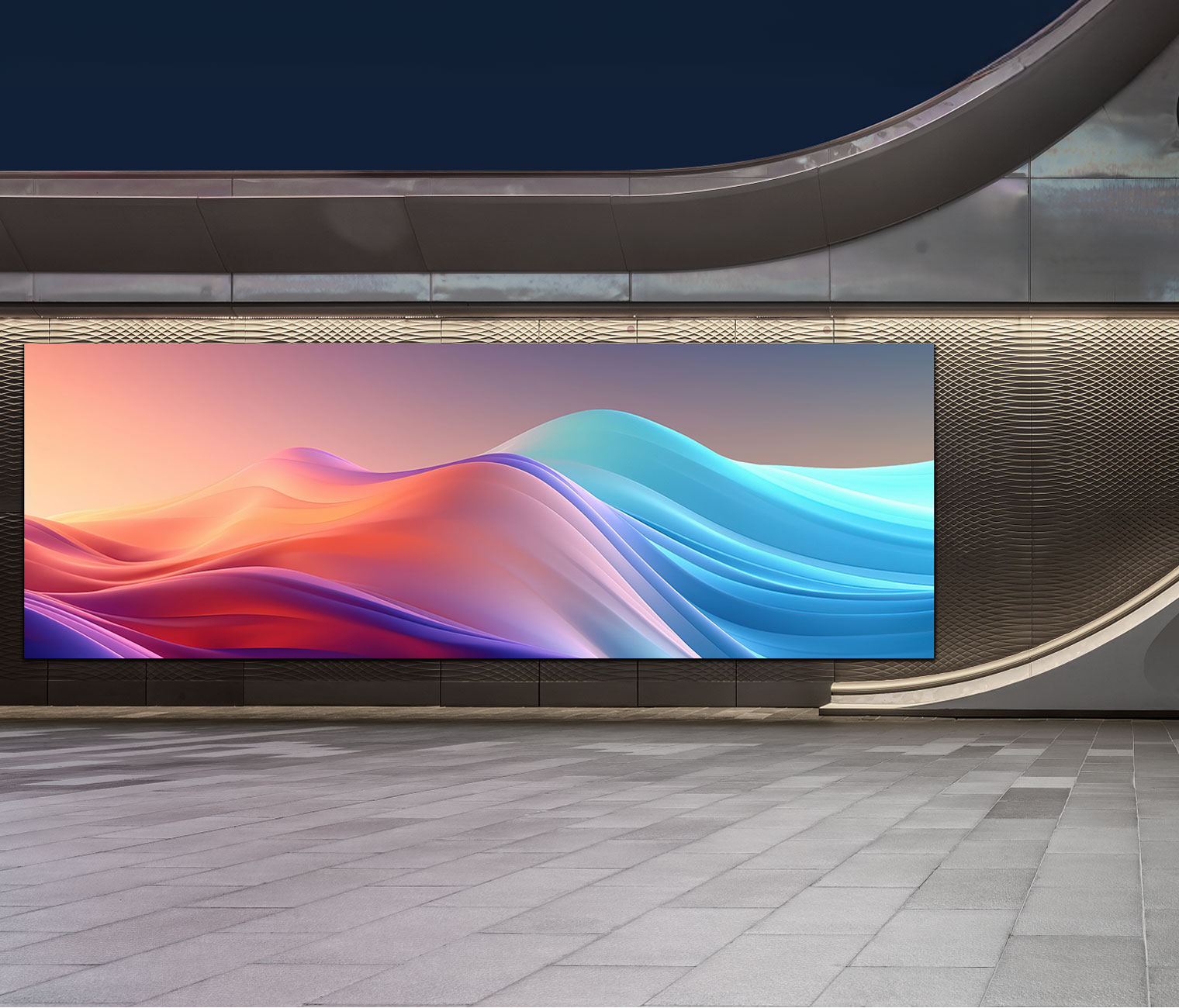
A modular LED wall is created by assembling smaller display modules and larger assembly units, known as cabinets, into the designed active image area. A cabinet contains one or more modules. The project can adapt the width, height, aspect ratio, resolution and mounting method to the specific space. This flexibility is useful where a fixed format would leave part of the wall unused, would not display the content in its natural aspect ratio or where the display needs to become part of the architecture.
Every customisation, however, creates another dependency. The supporting structure must carry the system and the power infrastructure must match the specific design. The control system receives the video signal and distributes it across the resulting active image area, so it must support the final resolution. A modular LED wall must therefore be assessed as a complete system designed for a specific location. Evaluating only the cabinet or module is not sufficient.
A custom solution is not automatically better. If a preconfigured format already suits the space, content and operational requirements, a modular design adds coordination without necessarily producing a visible improvement. In that case, there is no reason to choose a more complex custom solution simply because the technology allows it.
Format and resolution must follow the content
The image format determines how a presentation, video, spreadsheet or information dashboard appears on the display. If a company prepares its content in the same aspect ratio as the fixed format of an all-in-one solution, the preconfigured system resolves this requirement without a custom display size. A non-standard aspect ratio, an ultra-wide image or a surface tied to the architecture shifts the decision towards a modular design.
Resolution must be assessed together with the active image size and viewing distance. On a larger surface with the same resolution, the same image detail occupies a larger physical area, while from greater viewing distances it appears smaller. Readability should therefore be checked using the smallest required detail from the position where people will actually view it. An all-in-one format provides a predefined combination of size and resolution, while a modular solution builds the final resolution as part of the design.
The method for selecting parameters within LED technology is covered in our article on how to choose a professional LED video wall. In this comparison, the required active image area and readability are inputs, so the construction type does not replace the image design.
Building integration changes the scope of the project
A preconfigured solution comes with a defined mounting method and specific limitations that must be compared with the supporting structure, available space and power and signal routes. A modular LED wall may use its own structure or become part of a custom architectural detail. This brings additional information and professional disciplines into the project that are not determined by the display technology itself.
Compare the total system depth, access to the technology and the appearance of the area surrounding the image. If the display is to be recessed, aligned with wall cladding or fitted precisely into a defined opening, a modular system gives the design greater flexibility. If the space can accept the specified mounting system without custom modification, an all-in-one solution reduces the number of interfaces between the technology and the building.
Building readiness is assessed by the facility manager and the relevant professionals according to the specific design. Neither the term all-in-one nor modular LED confirms structural capacity, power requirements, heat dissipation or service space. These parameters belong to the proposed system and its installation location.
The category name tells you nothing about installation time
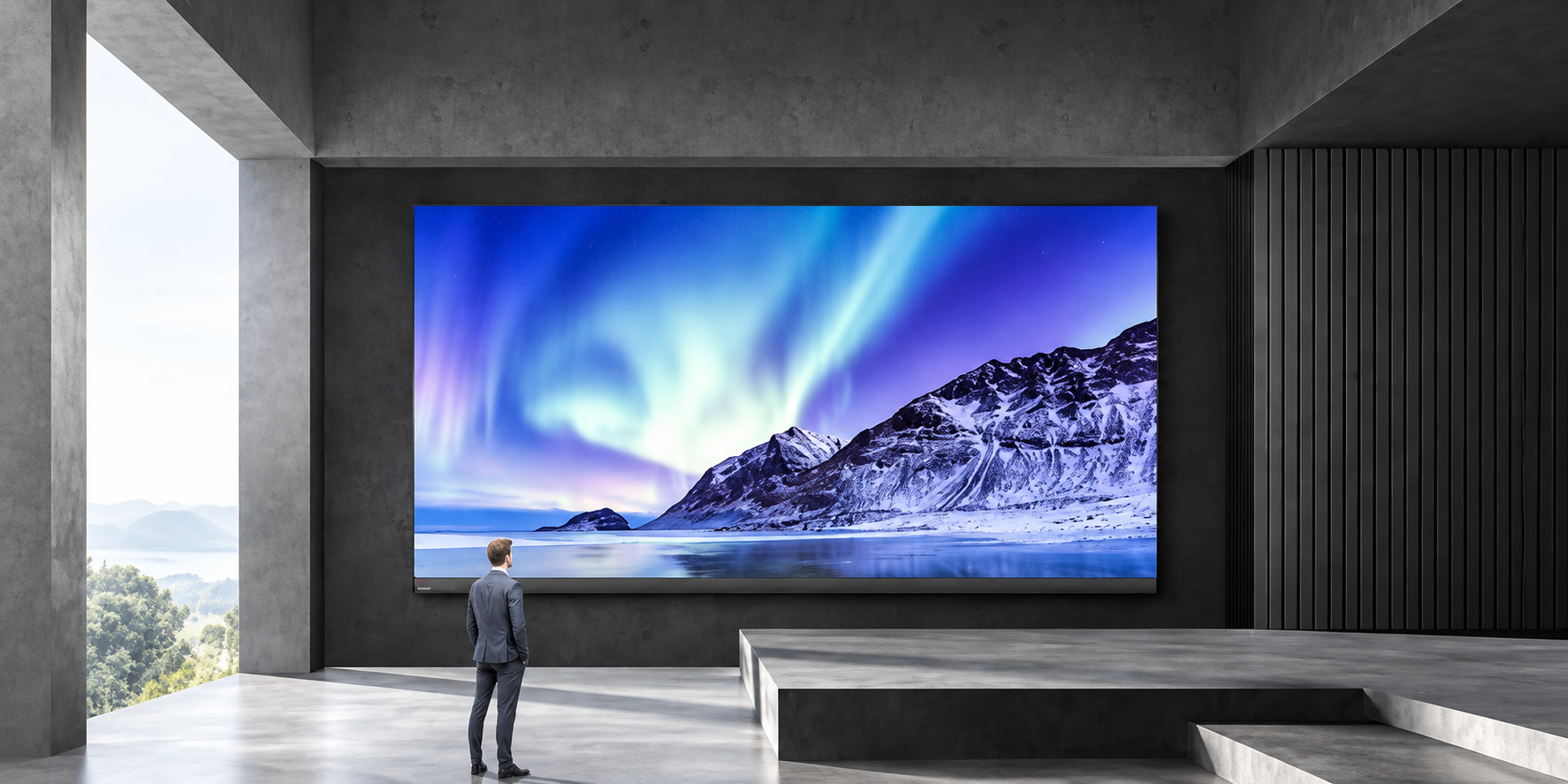
A preconfigured system may simplify installation because some mechanical and system-level decisions have already been made. A modular wall needs to be assembled, precisely positioned, interconnected and configured. This difference indicates how much work may be required, but it does not determine the installation schedule.
The schedule depends on access to the space, the mounting method, power and cabling readiness, component logistics and related construction work. Installation can therefore differ significantly between two spaces even when the same category of LED solution is used. A comparable proposal should identify the required tasks, building-side prerequisites and responsibility interfaces rather than promise a universal installation time.
Get future modification options in writing
A company may need a different size, aspect ratio, higher resolution or new video sources several years later. With an all-in-one solution, verify which components can be changed within the supplied configuration and which changes would require a new system. A fixed format closes decisions that would remain more open in a modular design.
A modular construction does not automatically guarantee future expansion. New components must remain mechanically, electrically and visually compatible with the original system, and the control platform must support the modified image area. Components from a later manufacturing batch may also require verification of visual matching to ensure that replacement or additional modules do not show visibly different colour or brightness and to establish how any difference will be compensated.
Include a specific future-change scenario in the comparison. Saying that a solution is “expandable” is not enough unless the supplier explains what can remain, what can be added and what would need to be replaced. A written boundary separates a technical possibility from a commercial promise.
The replaceable unit determines the impact of a failure
The smallest replaceable part may be a module, cabinet, control component, power component or a larger assembled unit. Replacing a smaller unit affects a smaller part of the image, while replacing a larger unit may temporarily remove a larger part of the display. The exact impact depends on the product and system design and cannot be derived from the terms all-in-one or modular. The buyer therefore needs this information for every proposal being evaluated.
The access method is equally important. Front service access reduces the need for space behind the wall, while rear access requires an accessible service route. Access affects the construction detail before the system is ordered, so it should be defined together with the installation depth and mounting method.
A neutral set of questions can be included in the enquiry: “What is the smallest replaceable unit? From which direction is it accessed? Which components remain operational while it is being replaced? How is the visual match between a replacement component and the original display maintained?” These questions do not assume a particular service model and reveal the consequences of the same type of failure for each solution.
Decision matrix for all-in-one and modular LED
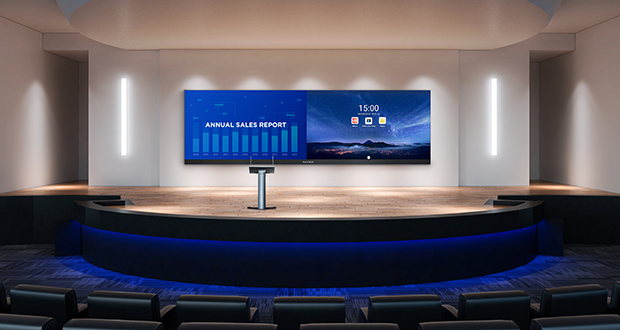
Use this matrix as part of the enquiry once you know the purpose of the display, the content and viewer positions. Complete each row using information from the specific proposal. The category name is not a substitute for an answer.
| Decision area | An all-in-one solution is suitable when | A modular LED wall is suitable when | What the proposal must specify |
| Format | The fixed format suits both the content and the space. | The image area requires a custom width, height or aspect ratio. | Active width, active height and the relationship to the content being used. |
| Resolution | The predefined resolution provides sufficient detail from the actual viewing positions. | Resolution needs to be designed according to the image area and the task. | Final active resolution and the inputs on which the design is based. |
| Building integration | The defined mounting method fits without a custom construction detail. | The display needs to integrate with an opening, wall cladding, custom structure or non-standard shape. | Mounting method, total depth and interfaces with the building. |
| Installation | The space can accommodate the finished configuration and its mounting system. | The project requires a custom display to be assembled and precisely positioned. | Tasks, readiness requirements and responsibilities, without a universal installation time. |
| Future changes | The company expects a stable format and functional scope. | The company has a specific future modification scenario that the design can support. | What can be added, what remains and what must be replaced. |
| Replaceable unit | The specific solution has an acceptable consequence when a component or larger unit is replaced. | The design allows a smaller part of the display to be replaced and the proposal clearly identifies it. | The smallest replaceable unit and the effect of replacing it on the image. |
| Service access | The specified access method suits the space and installation. | Front or rear access can be designed together with the supporting structure. | Access direction, required service space and method for removing the component. |
Include the required format and resolution, method of building integration, installation interfaces, future modification scenario, smallest replaceable unit and service access in the enquiry. Using the same rows ensures that different solutions answer the same commercial question.
Frequently asked questions
What is an all-in-one LED wall? An all-in-one LED wall is a preconfigured solution with a defined format, resolution and set of integrated components. The manufacturer has already made more system and installation decisions than with a custom modular wall. Exactly what the package includes and where the integration boundary lies varies between solutions. The proposal should therefore identify all included components and interfaces.
What is a modular LED wall? A modular LED wall is assembled from cabinets or modules into an active image area designed for a specific space. Its width, height, aspect ratio and final resolution are determined as part of the system design. It therefore allows greater adaptation to architecture and content. At the same time, it requires coordination of the supporting structure, power supply, image control and access to components.
Is an all-in-one LED wall always faster to install? A preconfigured solution may reduce the number of tasks and decisions required on site, but the category name does not determine installation time. The process depends on access, mounting method, power and cabling readiness and logistics. The proposal should therefore specify the actual tasks and readiness conditions. A fixed universal installation time would hide these differences.
Can a modular LED wall be enlarged later? A modular design can support expansion if compatible components remain available and the control system supports the new configuration. Mechanical connection is only one part of the answer. The proposal should explain electrical, image and control compatibility as well as the visual match of replacement or additional components. The word “modular” alone does not guarantee future expansion.
Does the entire display need to be replaced if one component of an all-in-one LED wall fails? The scope of replacement depends on the specific product design. The term all-in-one does not answer this question. Some components may be individually accessible, while others form a larger assembled unit. The proposal should state the smallest replaceable unit, the direction of service access and the effect of the intervention on the remaining image. The same questions should also be asked for a modular LED wall.
When does a custom modular LED wall not provide sufficient additional value? When a fixed format already meets the requirements for content, viewing distance, available space and expected future changes. In that situation, a modular design adds coordination without necessarily improving the image or integration. The same decision matrix should be applied to both options. The result may therefore be a simpler preconfigured solution.
Next step
Send MediaTech the floor plan, required image format, a sample of the content containing the smallest text or finest detail that must remain readable, and the viewer positions. Mark your fixed requirements in the decision matrix, while the proposal should provide the details of the specific system and its limitations. These inputs make it possible to compare a preconfigured solution with a custom modular wall before selecting a brand or model.