You Know How to Procure IT. Why the Same Approach Doesn't Work for Meeting Rooms
Reading time: 6 minutes
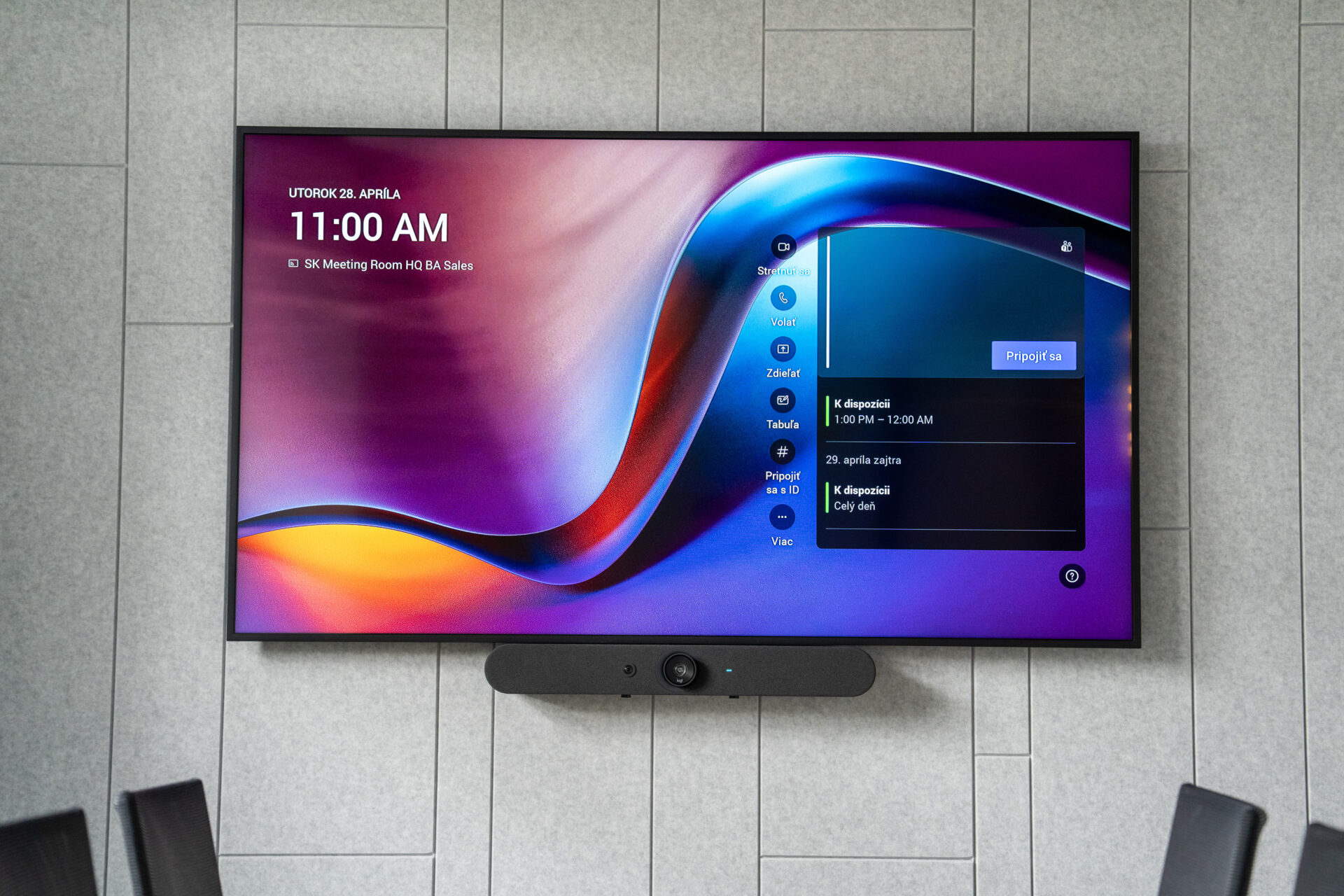
IT procurement has its own logic, and it works. You specify the processor, memory, storage and warranty, receive comparable proposals and make a decision.
Apply the same process to an AV project and you get proposals that cannot be compared properly. The reason is practical and easy to define: a laptop has performance characteristics of its own, while a microphone does not. The performance of AV equipment depends on the room in which it operates. This is why an AV specification should define the required result in the space, with the equipment selected as the response to that requirement.
Quick overview
- The procurement playbook that works for IT
- Why it does not work for meeting rooms
- What this means for the project brief
- The IT integration points that are almost always missing from the brief
- What to ask when proposals are not directly comparable
- Frequently asked questions
The procurement playbook that works for IT
You need fifty laptops. In the specification, you define the processor, memory capacity, storage type, screen size and warranty period. Five proposals arrive, differing mainly in price and brand, and all of them solve the same task in essentially the same way.
This works because a laptop is a self-contained device. Its specifications describe its performance, and that performance does not depend on which office the laptop is placed in. Specifying the device effectively specifies the result.
The process has been proven over many years and makes perfect sense in IT procurement.
Why it does not work for meeting rooms
AV devices are not self-contained in the same way. Their actual performance only emerges once they are installed in a specific space.
A microphone does not have a useful coverage range on its own. Its performance depends on the length of the table, ceiling height, amount of glass on the walls, HVAC noise and whether people speak towards or away from it. The same microphone can perform well in one room and be unusable in another.
A display does not have the correct screen size on its own. The required size depends on the distance of the furthest viewer and the type of content being displayed. A spreadsheet full of numbers has different requirements from a presentation containing three bullet points. The surface of the panel also matters because a room with windows on two walls may require a matte display that minimises reflections.
A camera does not have the correct field of view on its own. That depends on where people sit and whether they move around during the meeting.
A technical data sheet can therefore tell you everything about the device itself while telling you nothing about whether it will work properly in your room.
This leads to a second and even more important point. A list of devices is not a system. In practice, IT may specify particular products, but nobody has defined how those products should work together or what logic connects them. The topology is missing, meaning the diagram that shows what is connected to what and what controls what.
What this means for the project brief
An AV project specification should describe the required result in the room. The devices are the response to the brief, not the brief itself.
The required outcome can be expressed in simple statements that anyone can understand and that can later be verified during handover:
- A person sitting at the end of a six-metre table must be clearly audible to remote participants without raising their voice.
- A remote participant must be able to see who is currently speaking.
- Anyone must be able to start a call with one touch, without configuring anything on a laptop.
- Text in a presentation must remain readable from the last row.
A list of devices cannot be verified in the same way because it is technically fulfilled as soon as the boxes arrive.
We explain what the project document itself should contain, including the technical description, drawings, electrical installation diagram and bill of quantities, in our article about what an AV project must include.
For one simple meeting room, there is usually nothing to draw. The manufacturer’s system diagrams are used and dedicated project documentation is not created. Project documentation becomes a paid part of the project only for more complex installations where several technologies need to be integrated with one another.
The IT integration points that are almost always missing from the brief
This is the part that is missing from AV specifications almost without exception, even though it often determines whether the system can be commissioned at all on installation day.
Network. How many switch ports need to be allocated, how much PoE budget is available and whether AV will operate on the corporate network or on a dedicated segment. We cover this decision in our article about when AV belongs on the corporate network.
Identity and accounts. Who creates the device accounts, how the devices authenticate and whether they use local accounts or integrate with the corporate identity system.
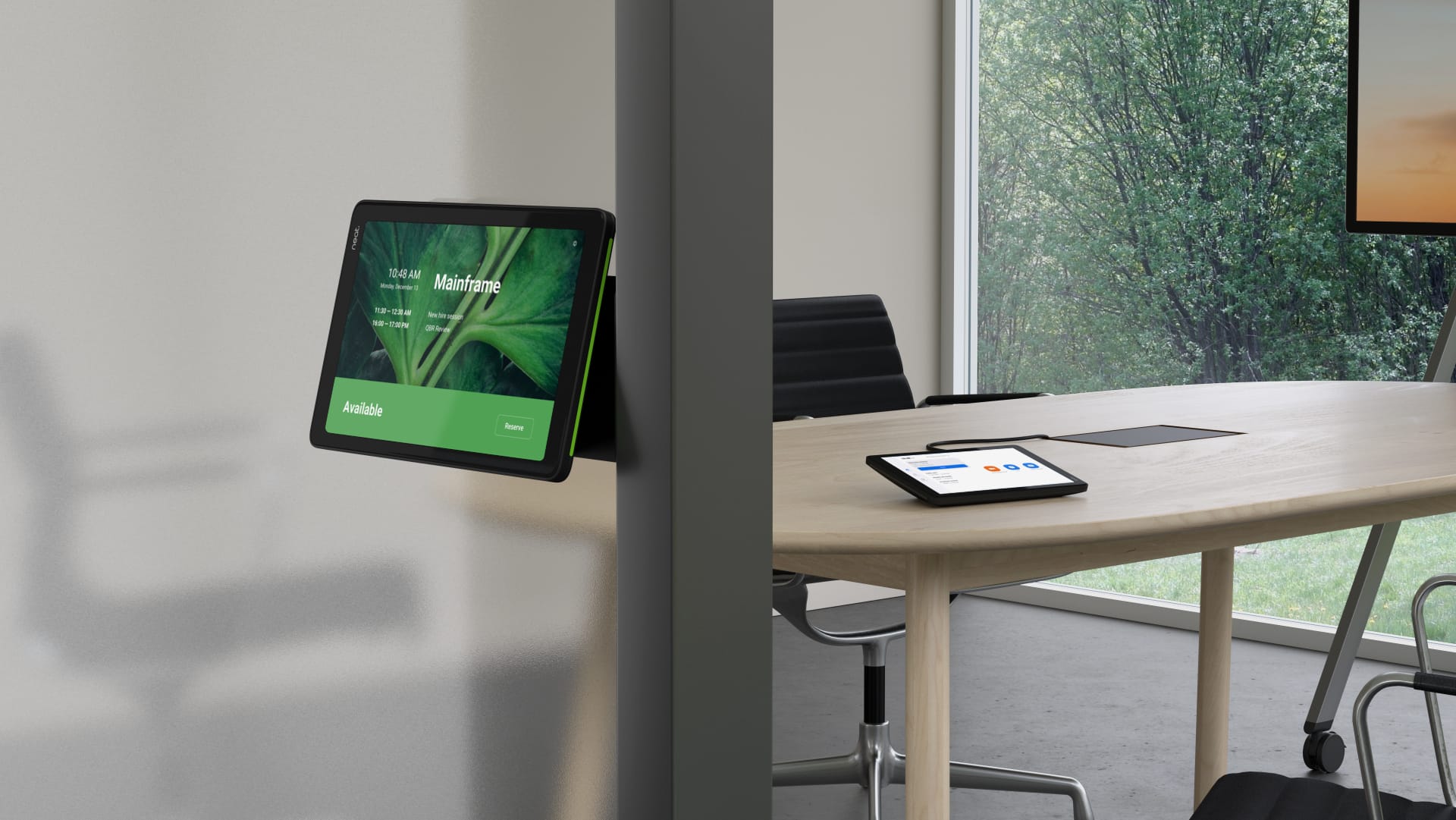
Calendar. If the room includes a booking panel, it needs access to the corporate calendar. This is one of the points where AV directly touches corporate systems.
Firewall. Video conferencing devices require specific network communications to and from cloud services. Without the required firewall configuration, they cannot connect to the platform.
Who and when. Who from IT will be available during commissioning and when. The complete division is explained in our article about the division of responsibilities between IT and the AV integrator.
What to ask when proposals are not directly comparable
When the brief is simply a list of devices, you receive proposals for different ways of solving the same problem. Comparing them by price per item means comparing fundamentally different solutions. These five questions bring the comparison back to reality.
- What is not included in this proposal? Cabling, mounting structures and brackets, construction drawings, control-system programming, user training and documentation. If a proposal does not mention these items, they are either not included or will be charged separately later.
- Why are there exactly this many devices? A higher number of units is not an argument. Neither is a lower number. The answer should be based on the room, not the catalogue.
- Which items depend on our specific room and which are standard catalogue items? A supplier that can explain the difference has considered the actual space. One that cannot has probably selected a package based only on the number of people.
- How will we verify during handover that the system delivers what we ordered? If this question cannot be answered, the brief describes equipment rather than the required result.
- What happens if the room requires a different configuration once implementation begins? The answer belongs in the contract, not in a discussion after the situation occurs.
A supplier that answers these questions specifically and refers to your room gives you useful information for making a decision. A supplier that answers with catalogue pages gives you a reason to keep asking questions.
Frequently asked questions
Why is a list of devices not enough to specify an AV project? The performance of AV equipment depends on the room in which it operates. The same microphone may work well with a short table in a quiet room and perform poorly with a long table, glass walls and noisy ventilation. A technical data sheet describes the device but cannot tell you whether it will work in your specific space. The specification should therefore define the required result in the room, with the devices selected as the response to that requirement.
What should an AV project brief contain? A description of the room, including its dimensions, ceiling height, materials, amount of glass and HVAC noise. It should also include usage scenarios and information about who will operate the system. The required outcome should be written in a way that can be verified during handover. Finally, the brief should cover the main IT integration points: network, accounts and identity, calendar and firewall.
Why is a device list insufficient even when the devices themselves are high quality? Because the topology is missing, meaning the diagram that shows what is connected to what and what controls what. Without it, you cannot determine whether the proposed devices actually work together, what happens if one component fails or how the system can be expanded later. High-quality individual components do not replace a properly designed system.
How do you compare two AV proposals with different numbers of items? Compare the result, not the bill of materials. If the brief defines the required outcome in the room, every proposal must explain how it will achieve that outcome, which makes meaningful comparison possible. You should also ask about items not included in the proposal, such as cabling, mounting structures, construction drawings, programming, training and documentation.
Do we need project documentation for a single meeting room? Not for a simple room. The manufacturer’s system diagrams are typically used and no dedicated drawings are created. Project documentation becomes necessary for more complex installations in which several technologies are integrated with one another, and it is then a paid part of the project.
What is most commonly forgotten in AV project briefs? The IT integration points. How many ports and how much PoE budget need to be allocated, who creates device accounts, how devices authenticate, whether the booking panel reads the corporate calendar, which communications the firewall must allow and who from IT will be available during commissioning. Without this information, the system may not be ready to operate on installation day.
Next step
If you are preparing an AV project brief and are unsure what it should include, start with a site survey. Email us at mediatech@mediatech.sk or call +421 2 20 999 700 and tell us what type of room you are planning and what stage the project is currently at.